
 Send Inquiry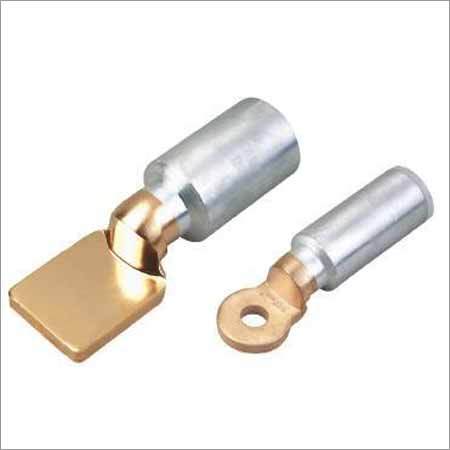
Bi-Metalic Lugs
Product Details:
- Thickness 3mm 8mm
- Sealed Yes, Friction Welded
- Surface Treatment Tin Plated for Corrosion Resistance
- Cable Diameter 6 mm 630 mm
- Product Type Bi-Metallic Compression Lug
- Material Aluminum Barrel with Copper Palm (99.5% purity)
- Application Electrical Overhead Lines, Switchgear & Panel Boards
- Click to view more
X
Bi-Metalic Lugs Price And Quantity
Bi-Metalic Lugs Product Specifications
- Bi-metal (Aluminum Barrel, Copper Palm)
- Tin Plated for Corrosion Resistance
- Depends on Size (typically 10g 200g per lug)
- 6 mm 630 mm
- As per Cable Size, 5mm 35mm
- Standard Crimp Type
- Aluminum Barrel with Copper Palm (99.5% purity)
- Electrical Overhead Lines, Switchgear & Panel Boards
- 3mm 8mm
- < 0.01
- Yes, Friction Welded
- Silver / Tin Plated
- Up to 1100V
- > 1000 M
- Bi-Metallic Compression Lug
- Tube Type, Compression
- 6mm - 30mm
- Friction Welded Joint, High Conductivity, Reduces Bimetallic Corrosion
- Suitable for ACSR, AAAC, and Copper Cables
- Bright Tin Plated
- -20C to +90C
- Compression / Crimping
- Plastic Bag / Box
Product Description
Bimetallic Lugs are mostly useful where an aluminum cable has to be terminated by a copper bus bar or copper contact. If Cable Lugs of only copper or aluminum are used , a galvanic action occurs due to dissimilar contact. The use of bimetallic lugs thus ensures a technically sound and durable joint.
With help of our knowledgeable experts, we have become one of the trusted traders and manufacturers of a comprehensive array of Bi-Metalic Lugs. High efficiency of our products makes them suitable for electrical industry. Our products are accessible in various dimensions and sizes to meet the requirement of the patrons. To provide a defect free array, we check the Bi-metalic lugs on finishing and durability parameters before offering to the patrons at reasonable price.
Optimal Electrical Performance
These bi-metallic lugs offer a robust friction-welded joint between aluminum and copper, ensuring minimal contact resistance (< 0.01 ) and superior conductivity. The advanced tin-plated surface protects against corrosion, making them a dependable choice for both outdoor and indoor electrical installations.
Versatile Application Range
Suited for use in electrical overhead lines, switchgear, and panel boards, the lugs accommodate a broad spectrum of cable sizes (6 mm to 630 mm) with palm hole diameters from 6mm to 30mm. High insulation resistance (> 1000 M) and standard crimp fittings enhance safety and installation flexibility.
Reliable Identification & Packing
Each lug is clearly marked with the cable size and manufacturers identification, ensuring easy selection and traceability. Products are securely sealed and packed in plastic bags or boxes, preventing transit damage and ensuring they reach you in pristine condition.
FAQs of Bi-Metalic Lugs:
Q: How are bi-metallic lugs installed onto cables?
A: Bi-metallic lugs are installed using the compression or crimping method. After stripping the cable, insert it into the aluminum barrel, then use a suitable crimping tool to compress the lug onto the cable for a secure and reliable electrical connection.Q: What types of cables are these lugs compatible with?
A: These lugs are engineered for use with ACSR (Aluminum Conductor Steel Reinforced), AAAC (All Aluminum Alloy Conductor), and copper cables, making them suitable for a wide range of power transmission and distribution applications.Q: When should I choose friction-welded bi-metallic lugs over traditional lugs?
A: Choose friction-welded bi-metallic lugs when connecting dissimilar metals (aluminum to copper) is necessary, for example, in overhead power lines or panel boards. Their welded construction minimizes bimetallic corrosion and provides a stable, low-resistance joint.Q: Where can these lugs be used in an electrical system?
A: These lugs are ideal for overhead lines, switchgear assemblies, and electrical panel boards, supporting power distribution in utility or industrial settings due to their broad compatibility and temperature range.Q: What are the main benefits of using tin-plated bi-metallic lugs?
A: Tin plating enhances corrosion resistance, ensuring a longer service life and stable electrical performance even under demanding environmental conditions. This prolongs maintenance intervals and supports reliable, safe power transmission.Q: What is the range of cable sizes and palm hole diameters these lugs support?
A: The lugs fit cable diameters from 6 mm to 630 mm with palm hole sizes ranging from 6mm to 30mm, accommodating diverse installation requirements.Tell us about your requirement

Price:
Quantity
Select Unit
- 50
- 100
- 200
- 250
- 500
- 1000+
Additional detail
Mobile number
Email


Contact Details
KRISHNA ENTERPRISE
GST : 27AKXPM2989B1ZJ
GST : 27AKXPM2989B1ZJ

- G- 75, Profit Centre, Mahavir Nagar, Kandivali West,Mumbai - 400009, Maharashtra, India
- Phone : 08045479535
- Mr Kaushik Ramesh Mehta (Proprietor)
- Mobile :08045479535
- Send Inquiry

 Send Inquiry
 Send Inquiry
 Send SMS
Products Gallery
 |
KRISHNA ENTERPRISE
All Rights Reserved.(Terms of Use) Developed and Managed by Infocom Network Private Limited. |
